
Issue: German Cockroach Infestation in Power Control Panels & Machinery
Industry: Manufacturing / Industrial Site
Month: (Dec 2025)
How Ikari Solve Your Problem
Suitable Services:
ARS Red Treatment
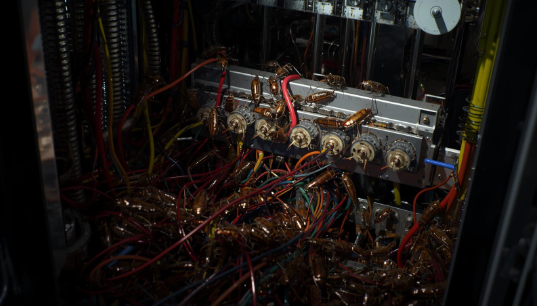
During the initial assessment, the customer reported a persistent German cockroach infestation within power control panels and production machinery. The presence of cockroaches inside these enclosed electrical systems posed a high operational risk, including potential electrical short circuits, equipment malfunction, contamination, and safety concerns.
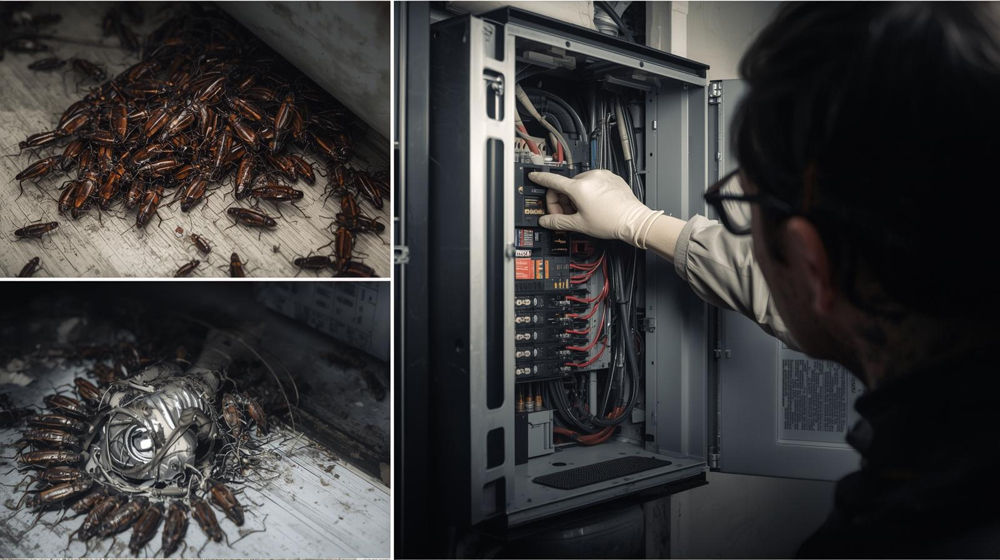
A detailed site inspection was conducted to identify the source and extent of the infestation. Heavy cockroach activity was observed around cable entry points, internal housings, and heat-generating components within the panels. It was also noted that previous pest control treatments had focused only on external surfaces, leaving internal harborage areas untreated. Due to the sensitive nature of the equipment, conventional spraying methods were not suitable.
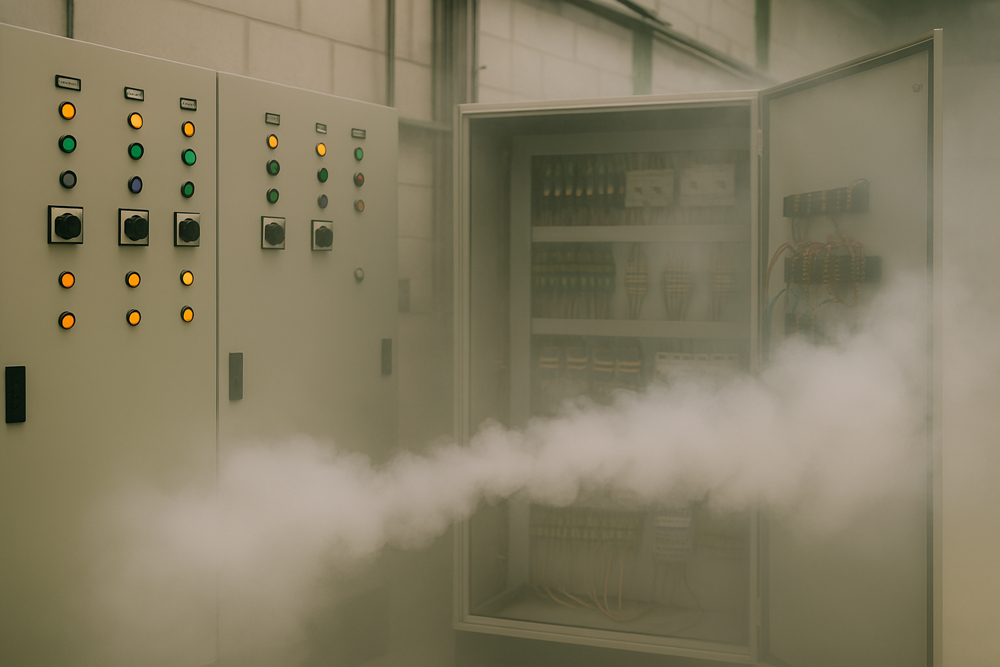
Based on these findings, Ikari implemented a specialized Integrated Pest Management (IPM) approach designed for electrical and electronic environments. The ARS Red fumigator method was applied to flush cockroaches out from deep within the panels, followed by a targeted residual treatment to provide long-term control without affecting electrical safety.

All treatments were carried out in accordance with strict safety procedures. Technicians followed specialized SOPs and used appropriate PPE to ensure the treatment was performed safely, with no interference to machinery operation or the customer’s production schedule.
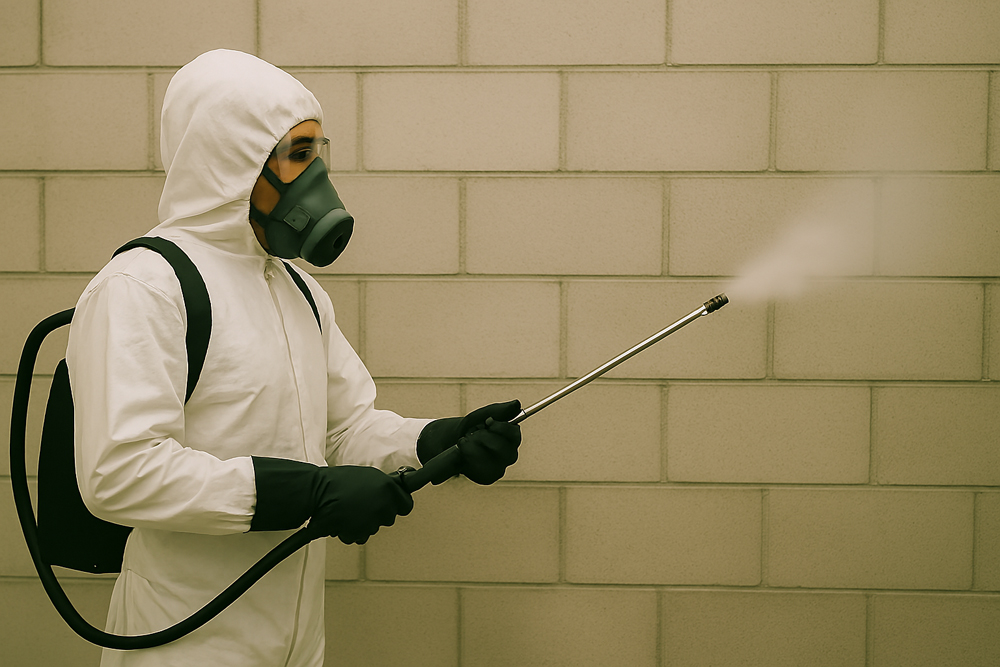
Following the first ARS Red fumigator treatment, a significant reduction in cockroach activity was observed. After completion of the treatment program, cockroaches inside the power control panels were eliminated. The customer confirmed that no further infestation was detected and expressed satisfaction with the outcome.
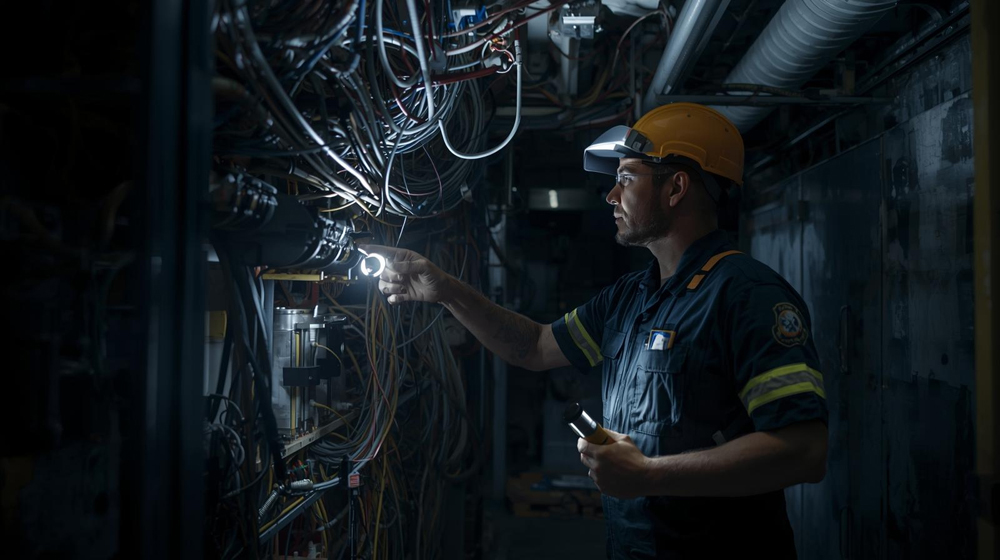
This case demonstrates the importance of accurate harborage identification, internal inspection, and the use of ARS Red fumigator flushing techniques in managing infestations within electrical equipment. By addressing concealed infestation sources rather than relying on surface treatments, effective and sustainable control of cockroaches was achieved.
Issue: German Cockroach Infestation in production machinery and electrical panels
Industry: Manufacturing / Industrial Site
Month: (Aug 2025)
Suitable Services:
Mirakn Treatment
The customer faced a persistent German cockroach infestation within production machinery and electrical panels, which posed significant hygiene risks and triggered audit concerns. During routine inspections and audit checks, recurring sightings were reported, prompting an initial Mirakn treatment to control the infestation. However, following the first application, cockroach activity continued to be detected, raising concerns that eggs and active harbourages might still be present, and leading to questions about the effectiveness of the initial treatment.
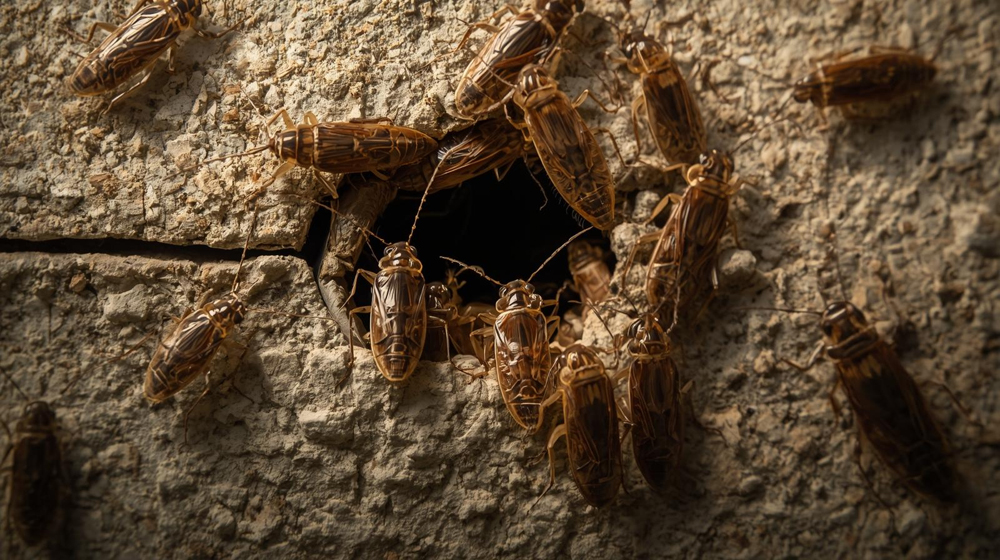
During the initial visit, although Mirakn treatment was applied, a critical harbourage area was overlooked. German cockroaches continued to thrive within a concealed gap along the production structure, which provided a protected environment for nesting and reproduction. This untreated gap became the main source of continued activity, causing the infestation to reappear despite the initial treatment.
A follow-up assessment was then conducted, during which the concealed gap was identified and confirmed as an active German cockroach harborage. A targeted Mirakn re-treatment was performed, focusing directly on the identified harbourage. The treatment involved precise application with controlled spray and sufficient flushing time to ensure thorough coverage. This strategic Mirakn application successfully eliminated cockroach activity, with no further sightings reported during subsequent audits, effectively resolving the infestation.
As a result of the successful outcome, the customer expressed high satisfaction and agreed to integrate Mirakn treatment into their main pest control contract, ensuring ongoing, long-term protection and proactive management of hidden pest harbourages.
Issue: High Fly Infestation at Factory Waste Handling Area
Industry: Food Processing / Poultry Processing Facility
Month: Feb 2026
Suitable Services:
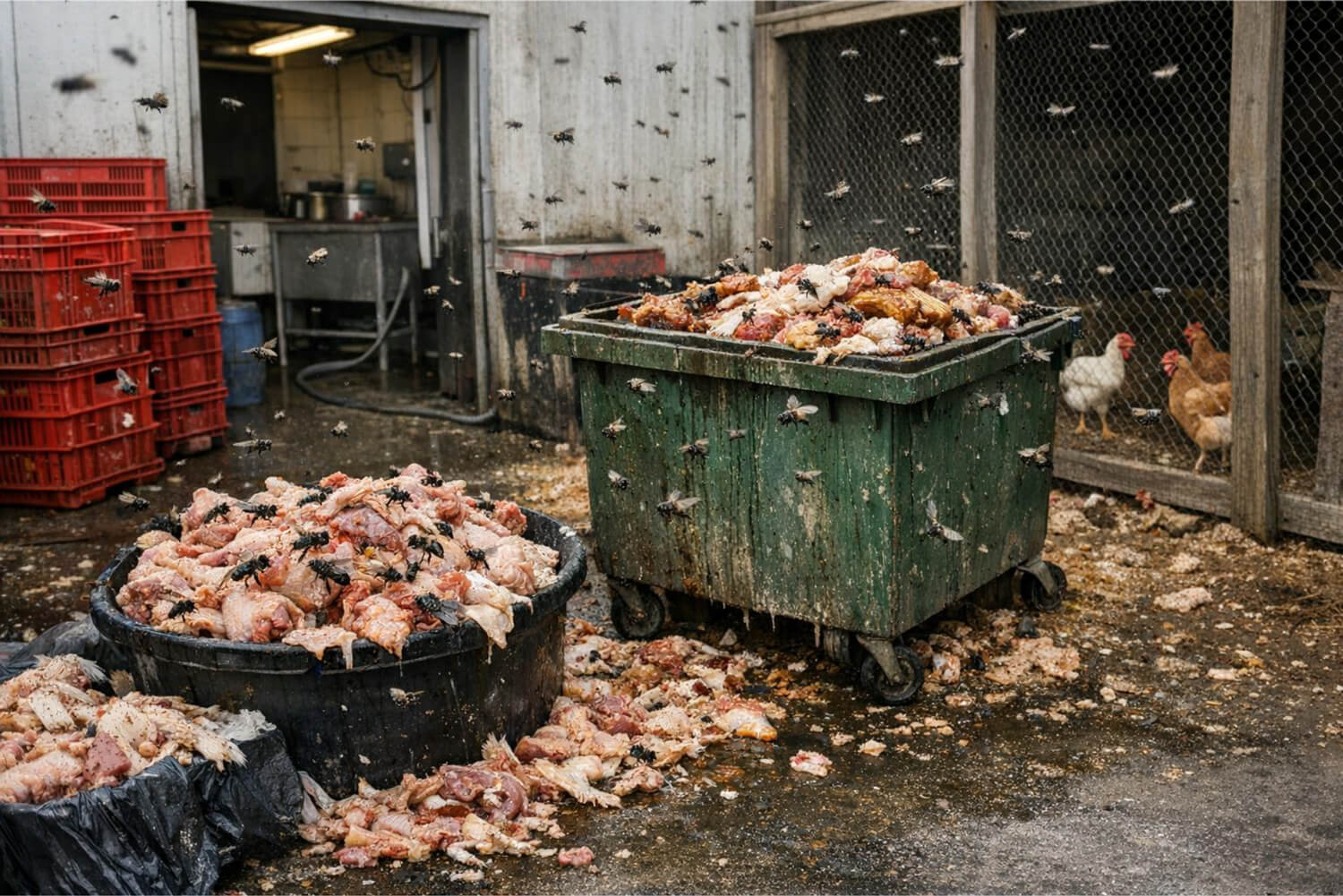
During a routine inspection, the client reported persistent fly activity near the back door crate washing area, located close to waste disposal points containing unused chicken parts and near the chicken coop area. These organic waste materials created a strong attraction point for flies, increasing the risk of flies entering the building and affecting hygiene standards within the production facility.
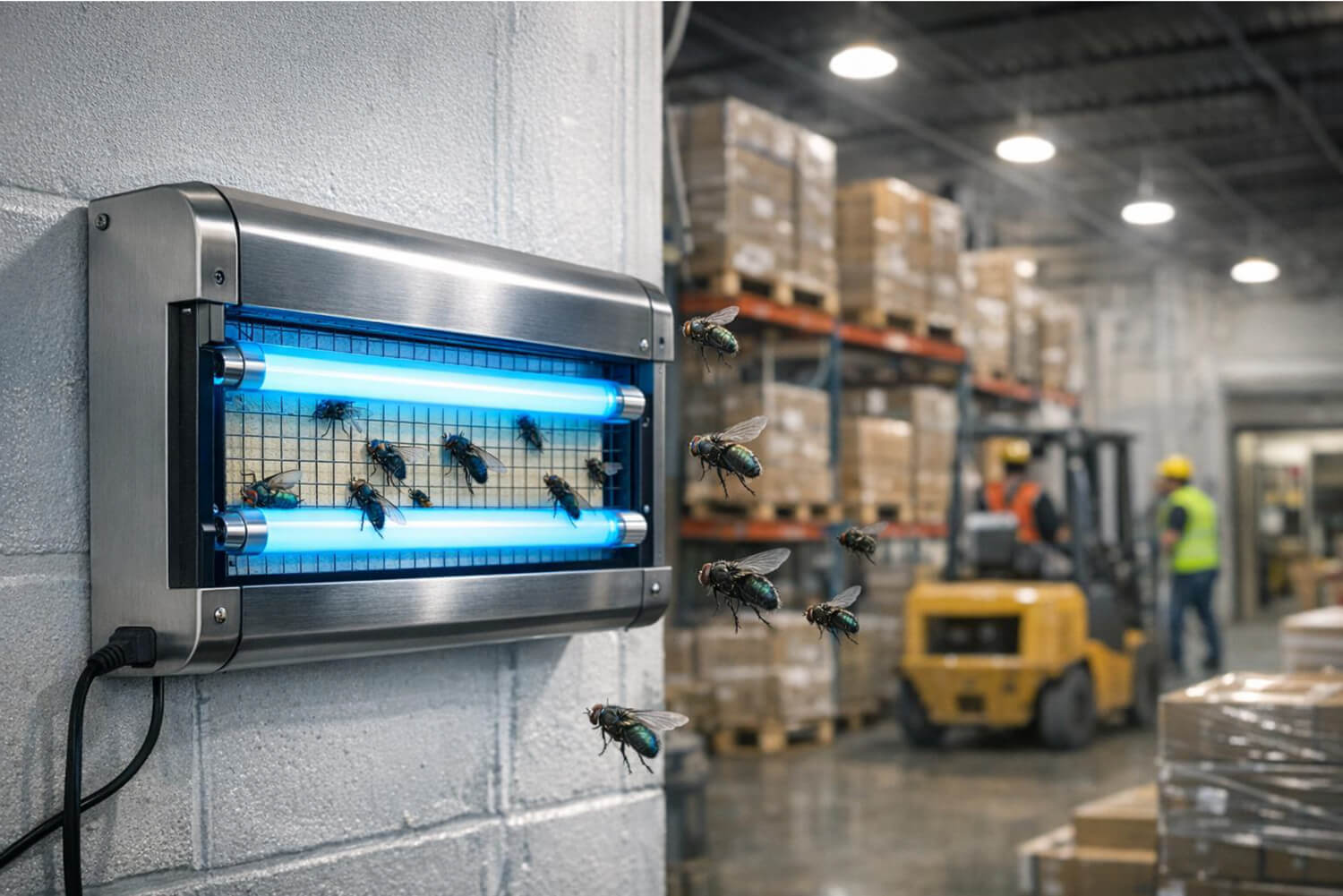
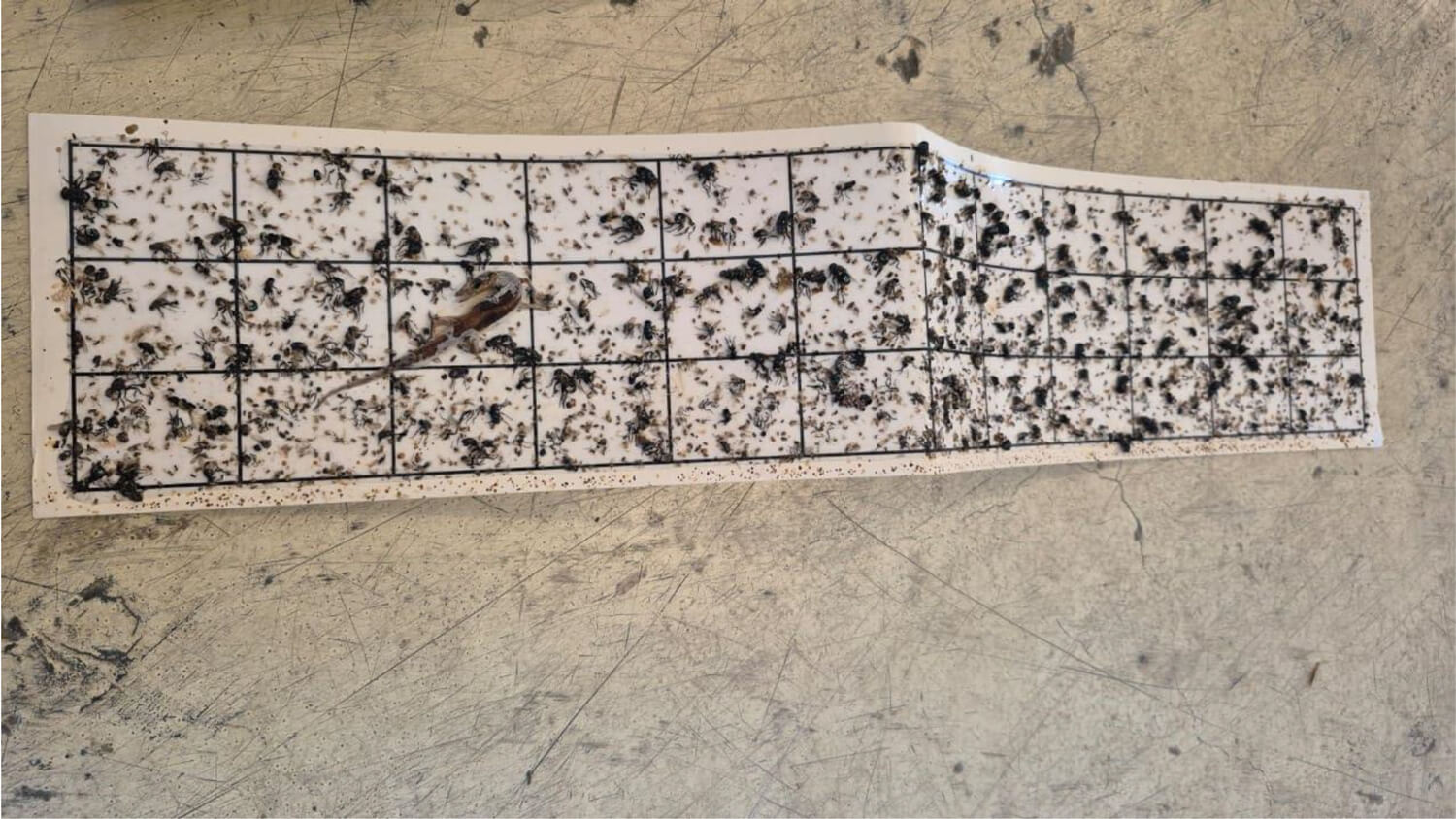
(144 flies within 7 days)
A detailed site assessment was conducted to evaluate the level of fly infestation and identify suitable fly control solutions. Existing Insect Light Trap (ILT) monitoring recorded 144 large flies within 7 days, confirming significant external fly pressure around the facility.
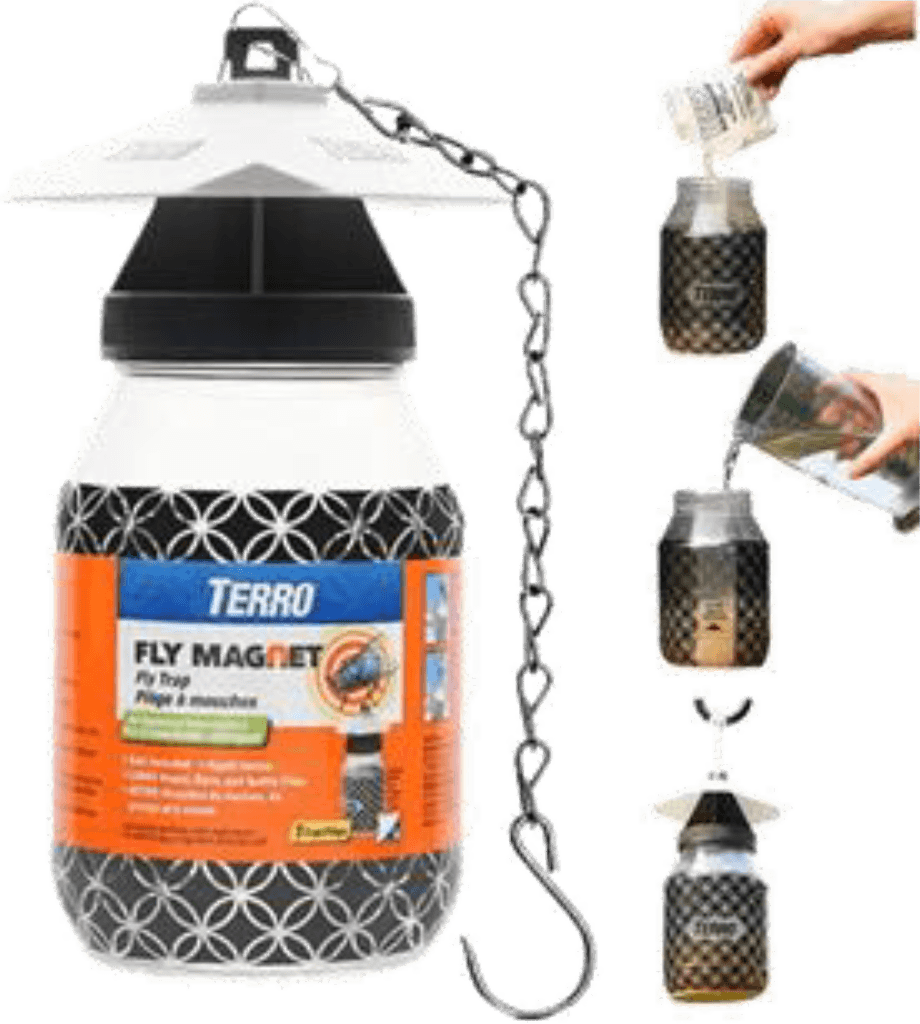
After 7 days of deployment, monitoring results showed approximately 60 large flies captured, demonstrating the effectiveness of the fly control solution in reducing the fly population around the facility and minimizing fly entry into the building.
This case highlights the importance of combining monitoring systems, fly traps, and targeted fly control strategies to effectively reduce fly infestations in food processing environments.
Issue: Cockroach Infestation in Equipment Room
Industry: Cockroach Infestation in Machine & Panels
Month: Feb 2026
Suitable Services:
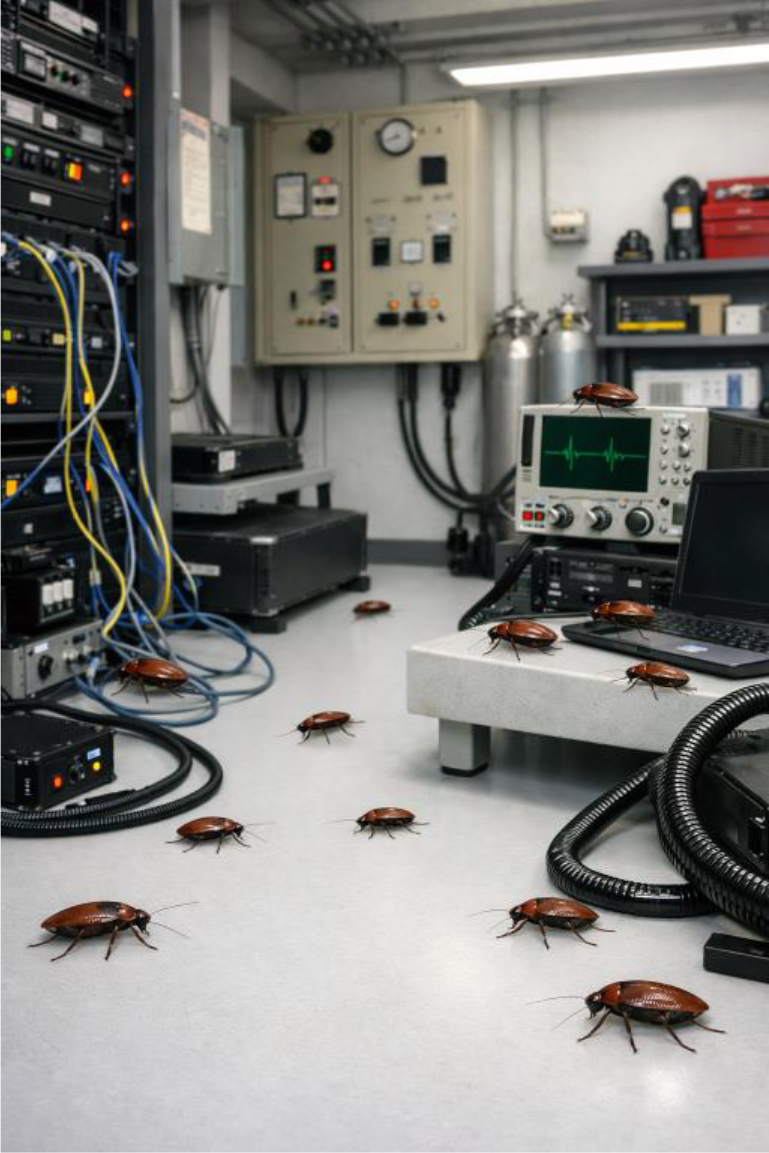
The client reported recurring cockroach activity within the equipment room, raising concerns about cockroach infestation, hygiene risks, and potential contamination in the production environment.
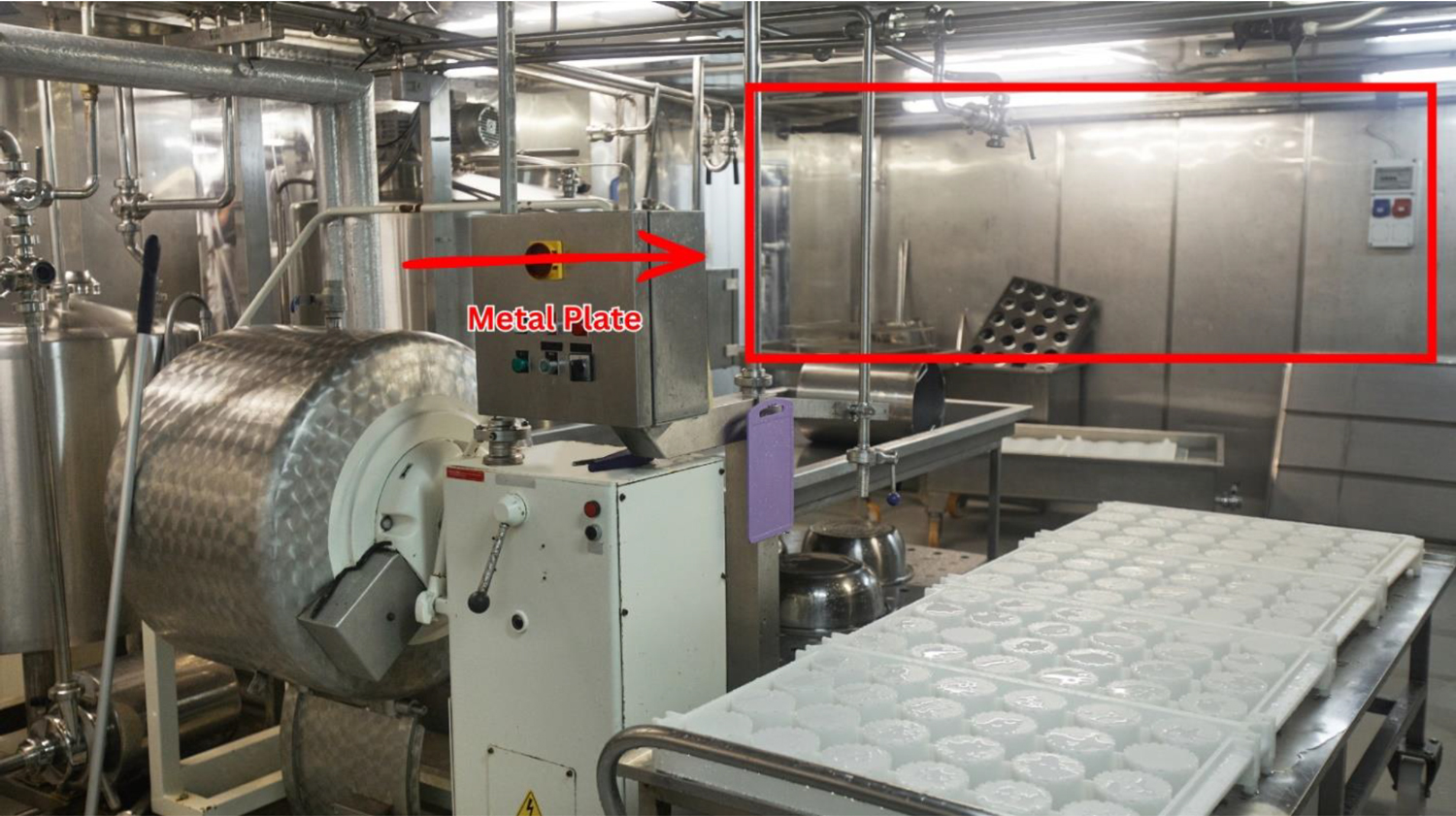
During inspection, technicians discovered active cockroach harborages hidden behind metal plates within the equipment structure. These concealed spaces provided ideal breeding and nesting areas for cockroaches, allowing the cockroach infestation to persist despite previous treatments.
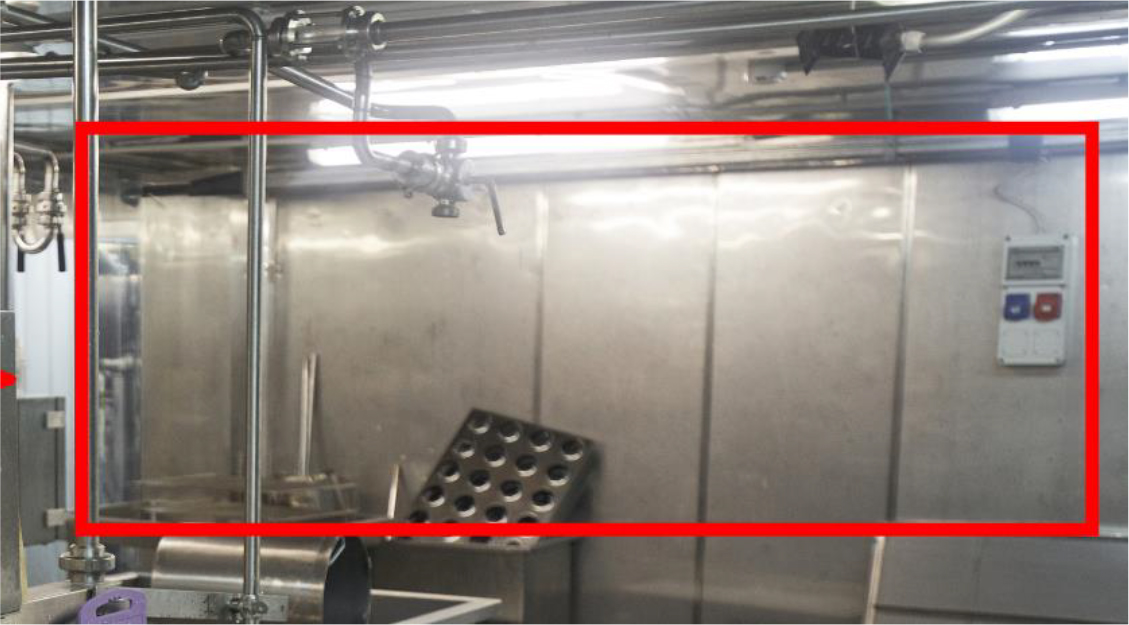
Metal Plate
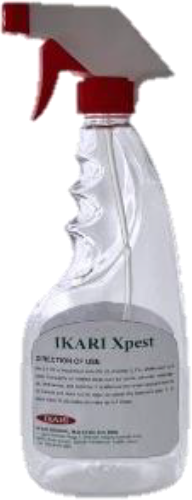
Ikari Xpest
To address the cockroach infestation, the metal plate covering the suspected harborage was carefully removed to expose the cockroach nesting area. Once the infestation source was confirmed, Ikari X-Pest treatment was applied directly to the targeted area.
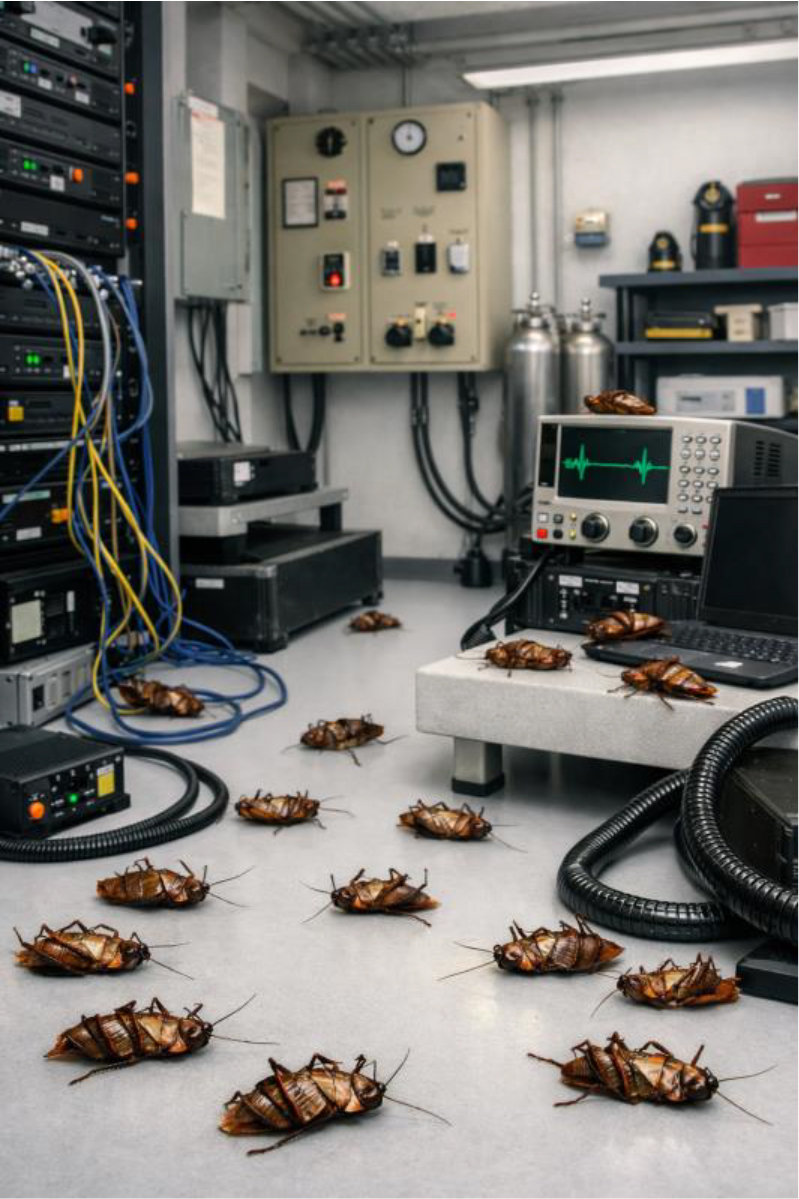
During the treatment, a strong knockdown effect on cockroaches was observed, indicating immediate effectiveness in eliminating the cockroach population inside the equipment room.
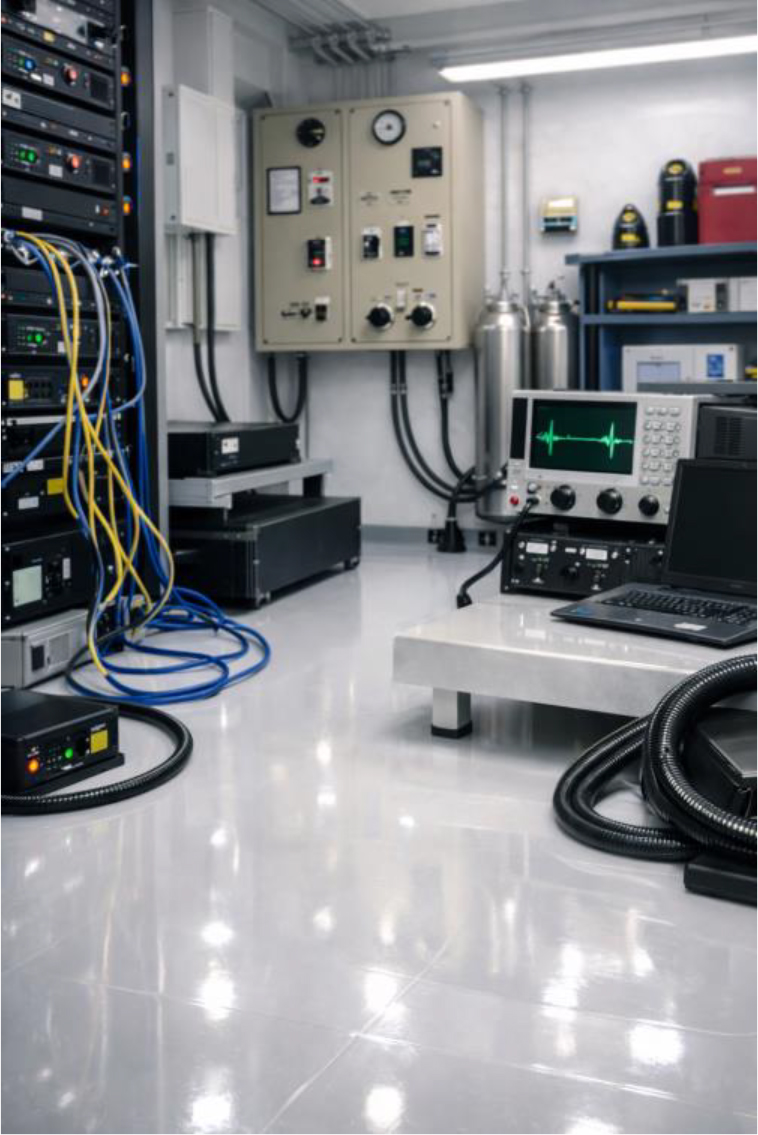
After the treatment was completed, the cockroach infestation was successfully controlled, significantly reducing the risk of cockroach contamination within the production environment.
This case demonstrates the importance of proper inspection, identification of hidden cockroach harborages, and the use of targeted cockroach control treatments to achieve effective and long-term cockroach infestation management.
Issue: Fly Activity and Pest Contamination Risk at Production Entrance Areas
Industry: Manufacturing / Biotechnology
Month: Feb 2026
Suitable Services:

The client reported concerns regarding fly activity and potential pest contamination risks at several key transition points between raw material storage and production areas. These entry points are critical zones where flies and other pests may enter the facility and potentially affect hygiene control within the production environment.
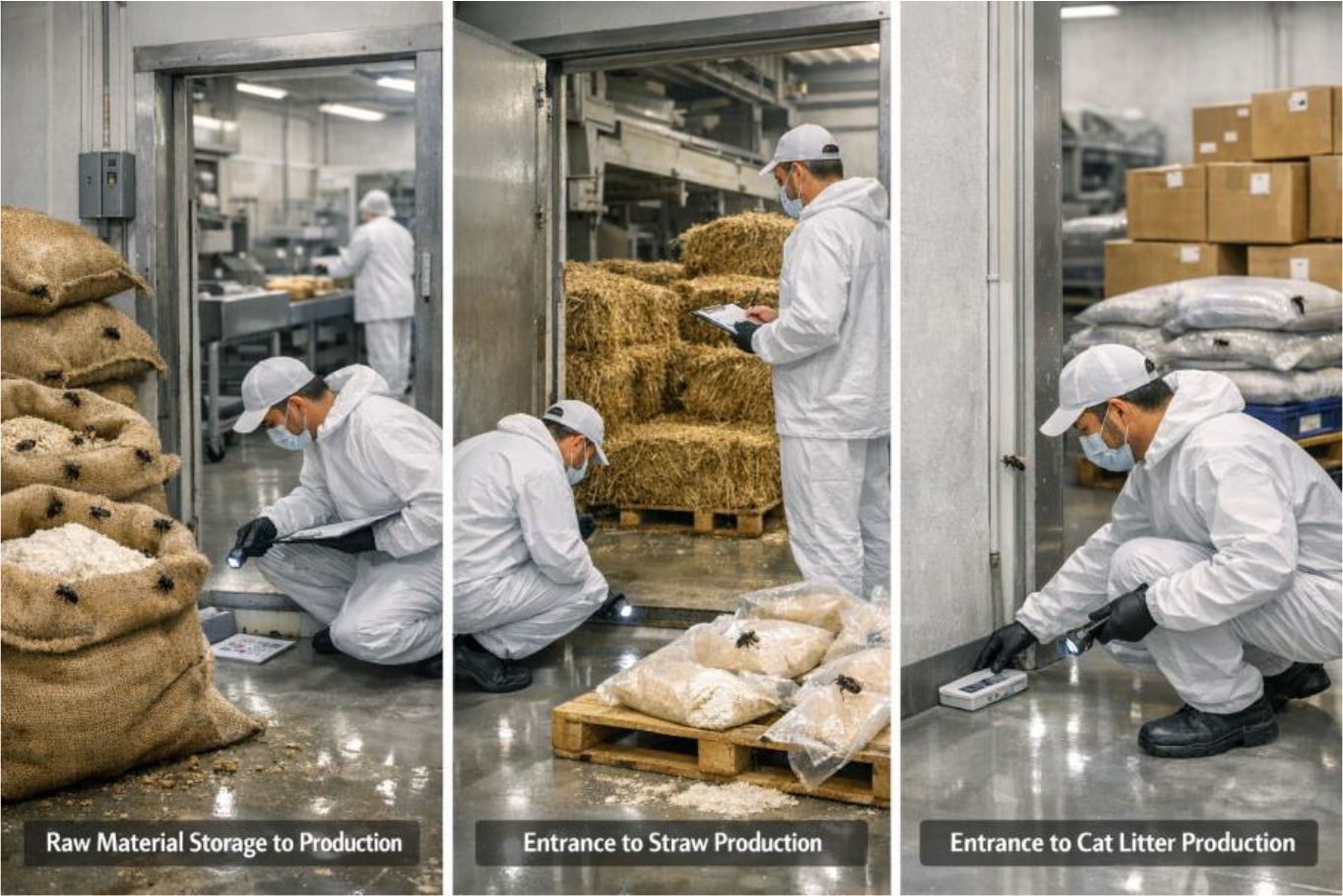
During the site inspection, technicians conducted monitoring at several locations, including the raw material storage to production entrance, entrance towards straw production, and entrance towards cat litter production. Observations revealed signs of pest presence, including small flies, large flies, lizards, shoe prints, and bird fur, indicating possible pest entry points and fly activity around these areas.
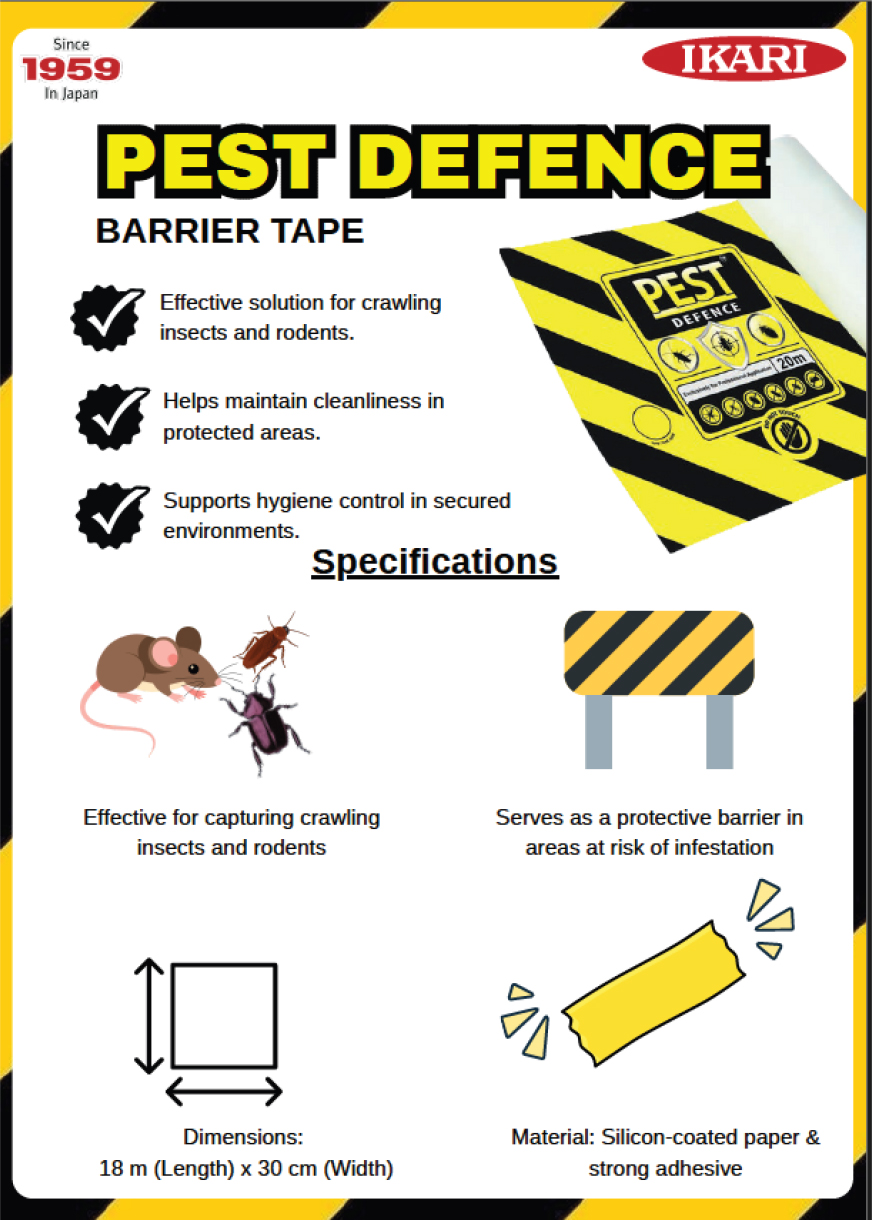
To address the issue, pheromone lure and bait stations were strategically placed at identified hotspots to enhance fly monitoring and pest detection. These monitoring tools were deployed to track fly activity levels and identify areas with the highest risk of fly entry into the production facility.
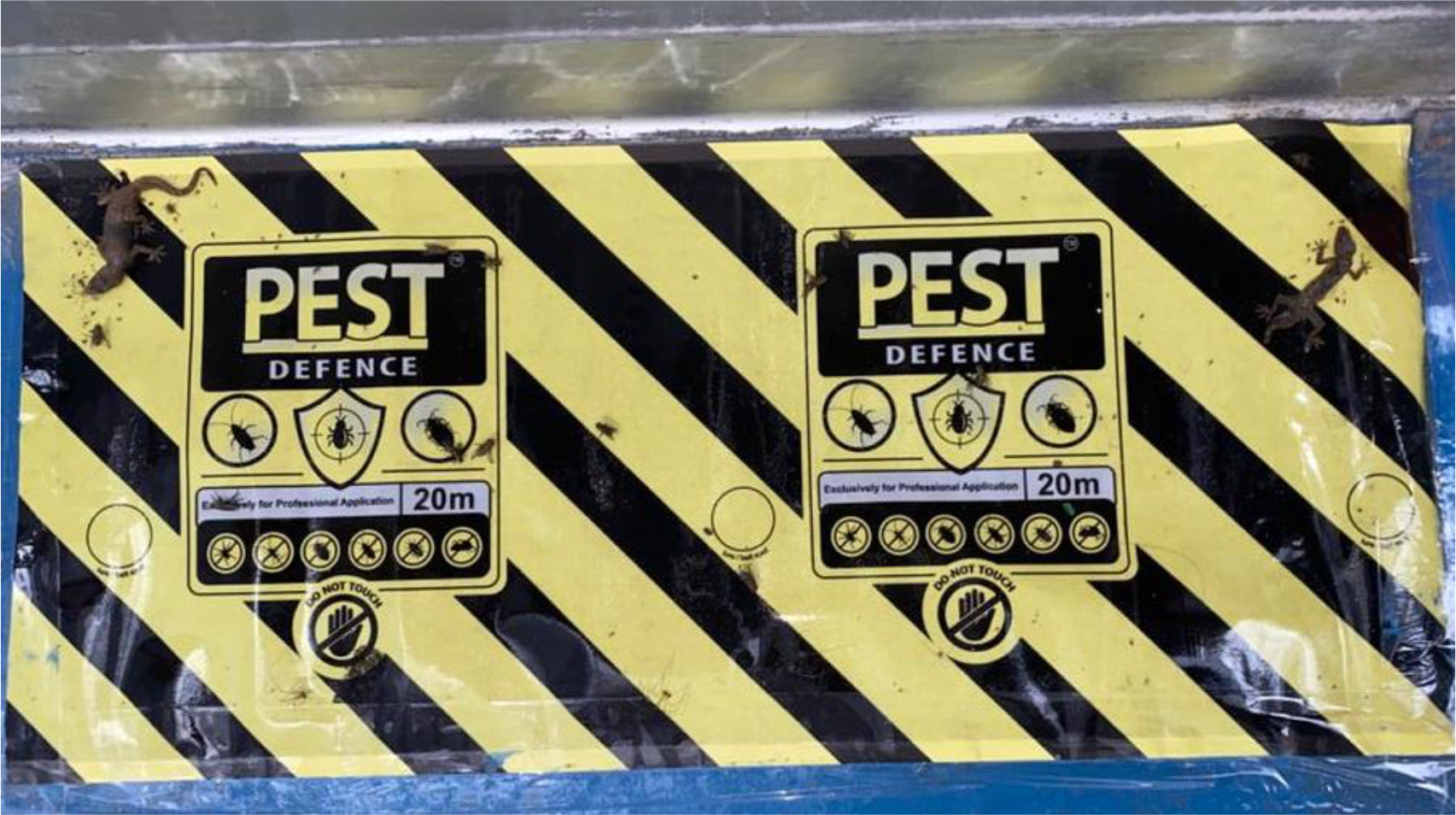
After 6 days of monitoring, the traps successfully captured and confirmed fly activity at several locations. The collected monitoring data allowed technicians to identify the most active fly hotspots, enabling the implementation of targeted fly control measures to reduce pest risks around the production entrance areas.
This case demonstrates the importance of proper fly monitoring, pest detection systems, and preventive pest control strategies in identifying fly activity hotspots and preventing pest contamination risks in sensitive manufacturing environments.


